Summary
In the era of rapidly iterating embodied intelligence, touch is the core key to robots reading the physical world and …
From seeing the world to manipulating the world
In the era of rapidly iterating embodied intelligence, touch is the core key to robots reading the physical world and reliably completing real manipulation tasks.
Exploring the frontiers of visuo-tactile fusion technology with global top experts, advancing embodied intelligence from the laboratory to the real world.
Xense co-founder and CTO Zhao Haonan shared the latest progress in full-stack tactile technology on site; founder Ma Daolin joined a Panel roundtable discussion and presented the award to the winner of Best Paper for Tactile Representation at the closing session, exploring the future direction of visuo-tactile intelligence together with global academic and industry guests.
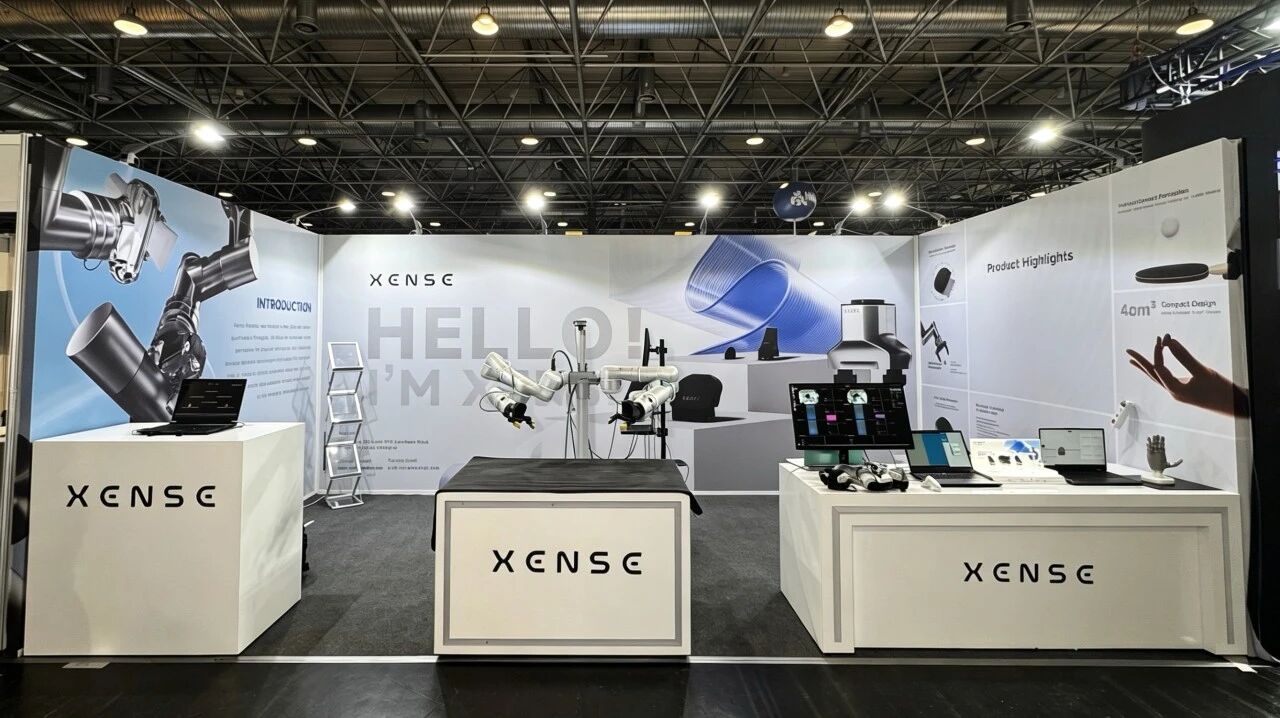
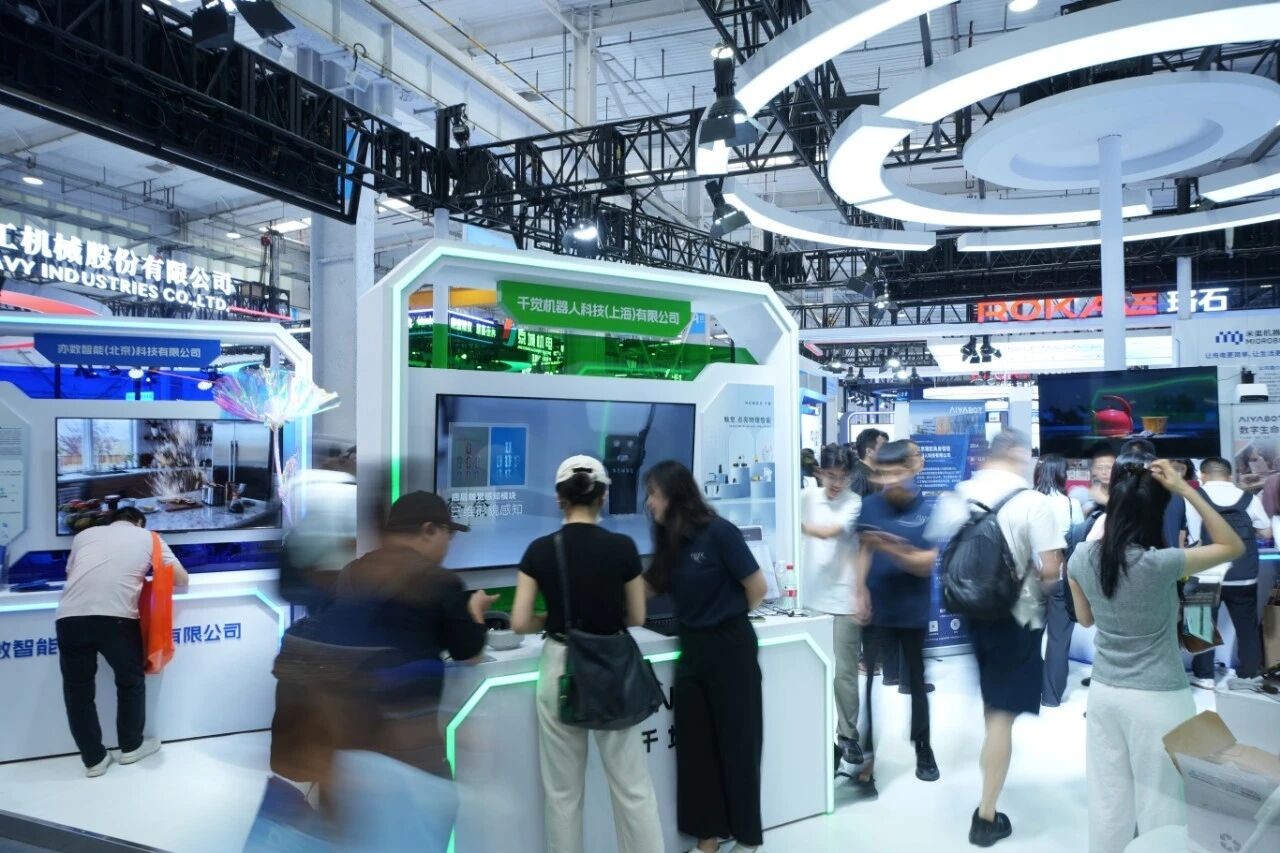
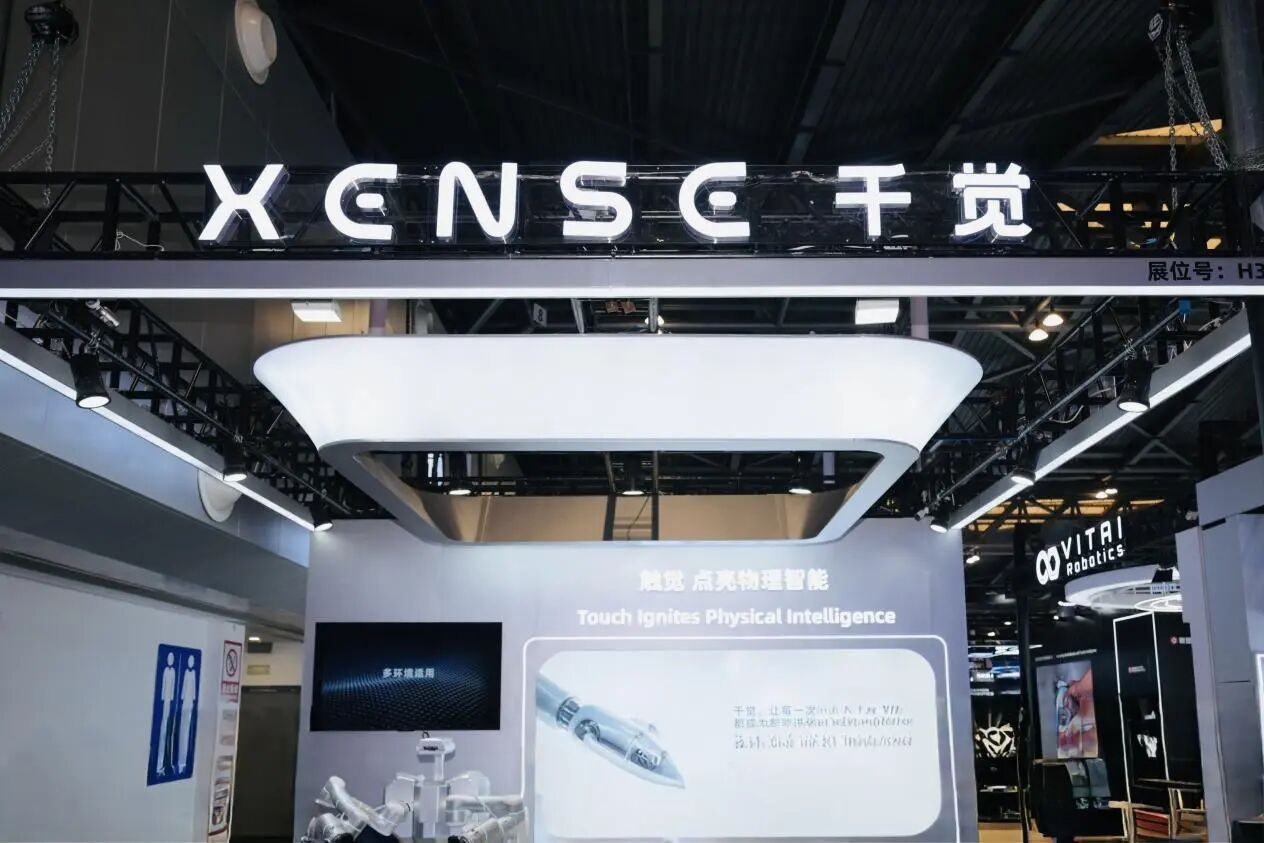
From June 2 to June 4, the global robotics top conference ICRA 2026 grandly opened in Vienna, Austria. Xense Robotics appeared at Hall B-123, bringing its full suite of tactile intelligence technology achievements to the international stage, demonstrating with visible, verifiable and experienceable real-scenario Demos to the global academic and industrial community: exclusive tactile perception and physical interaction capability is the core breakthrough for robots to leave the laboratory and adapt to real, ever-changing physical scenarios.
The core answer to future physical intelligence lies in "tactile intelligence."
01 Real-Scenario Implementation Challenges Must Ultimately Be Solved by Touch
As robot intelligence continues to upgrade and scenario adaptation and operation precision keep improving, many implementation gaps remain in real unstructured physical scenarios. The core pain points of various complex operation scenarios are mostly concentrated at the moment of physical contact: flexible materials deform easily, operation force is difficult to control precisely, micro slips cannot be perceived in time, and contact fit states cannot be judged precisely...
These micro physical changes occurring after contact are the core difficulties of precise robot operation, directly determining the success, failure and stability of tasks such as grasping, folding, assembly and alignment. Only with precise perception of physical interaction can stable real-world operation be achieved.
To truly adapt to complex real scenarios and achieve large-scale implementation, robots must fill the core underlying capability gap — high-precision tactile perception and autonomous physical interaction capability.
This is also the core theme of Xense's ICRA 2026 booth: igniting physical intelligence with touch, giving robots the core capabilities of perceiving physics, understanding interaction and operating autonomously.
02 On-Site Core Highlights
Validating the VTLA Model's High-Difficulty Long-Sequence Operation Under Interference
The biggest highlight of the booth was the tactile-driven dual-arm long-sequence carton forming demonstration under external interference conditions.
A seemingly simple carton folding task is actually a typical "high-difficulty flexible long-flow task" in robotics: thin and easily deformable materials, no fixed motion trajectory, and dynamically changing contact states. Especially after external interference, the cardboard's position, force state and contact relationships all change, placing higher demands on the robot's real-time perception, action adjustment and task recovery capabilities.
Unlike the fixed pattern of traditional robots with preset trajectories and mechanical action replication, Xense's solution focused on demonstrating the model's adaptive adjustment capability under interference. After external disturbance occurs, the system can re-judge the cardboard's current state based on real-time tactile and visual feedback, perceive pose offset, force changes and material deformation, and autonomously correct dual-arm coordinated actions, resuming subsequent folding, pressing and other task steps, maintaining operation continuity in dynamically changing real environments.
This is also the key value of physical intelligence in real scenarios: not just completing tasks under ideal conditions, but continuing to perceive, judge and adjust while contact states are broken and environments change, stably completing the task.
03 Global Premiere | Building a Tactile Data Closed Loop, Completing the Physical Intelligence Data Gap
Tactile perception is the "physical nervous system" of robots, and high-quality tactile data is the core cornerstone of continuous iteration and capability evolution of embodied intelligence.
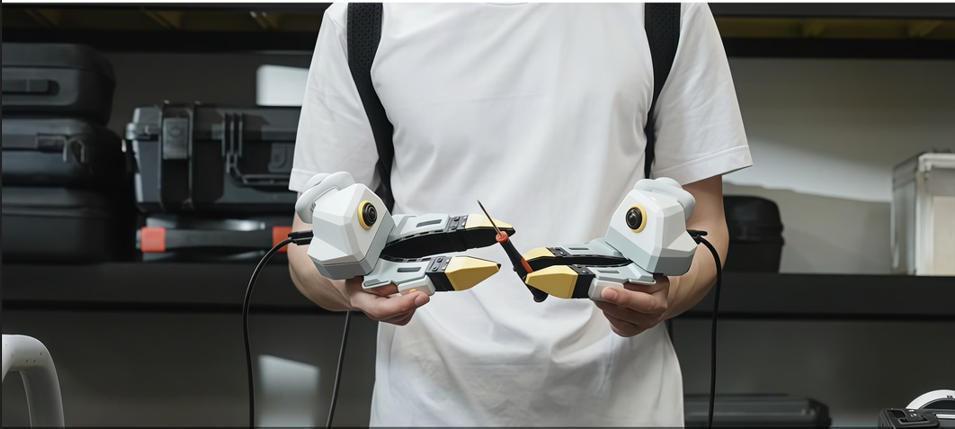
At this exhibition, Xense brought the TacCap-Gripper tactile data collection device for its global debut.
Targeting high-frequency operation scenarios such as robot grasping, gripping and precision assembly, this wearable data collection device integrates multi-dimensional high-precision perception units, capable of synchronously collecting action and tactile fusion data, precisely recording micro physical interaction details invisible to the naked eye such as contact start/end states, pressure distribution, material deformation and slip fluctuations.
It transforms vague, unquantifiable physical contact behaviors into collectable, modelable, trainable high-quality embodied data, thoroughly filling the core data gap in robot fine operation, adaptive policy iteration and embodied model training, laying a solid data foundation for the large-scale evolution of physical intelligence.
04 Full-Matrix Sensor Showcase, Covering All-Scenario Tactile Perception Needs
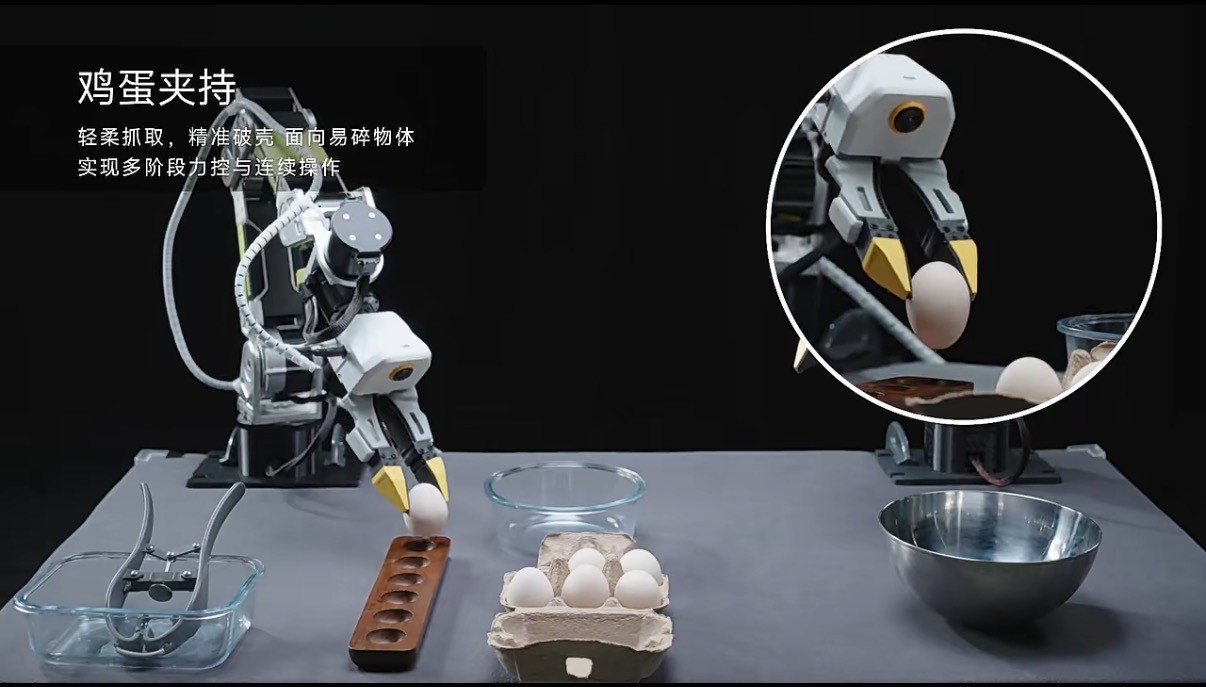
Beyond the major Demo and debut products, Xense also showcased its full series of multimodal tactile sensor product matrix, covering fingertip, gripper, flat and curved form factors, adapting to diverse intelligent carriers including dexterous hands, industrial robotic arms, humanoid robots and flexible interaction devices.
The full hardware lineup can precisely capture micro textures, subtle deformations and multidimensional force changes, delivering high-precision, high-response, high-stability tactile perception, providing core underlying support for complex operation tasks such as fine alignment, pushing, rolling and precision grasping, fully presenting Xense's full-stack tactile technology accumulation from independent hardware R&D, data collection and algorithm optimization to scenario implementation.
05 Fun Interactive Experience
To make hardcore tactile technology more intuitive and accessible, the booth also set up a tactile interactive game experience zone.
Breaking away from traditional mechanical joystick control, visitors could control the game process in real time with just light touch, pressing and changes in force intensity. With millisecond-level response speed and fine pressure recognition, every on-site visitor could personally experience the ultra-high sensitivity and stable perception performance of Xense tactile sensors, intuitively understanding the core charm of tactile intelligence empowering machine interaction.
Touch: The Last Mile to Physical Intelligence
Touch is the core foundation of robot physical intelligence and the fundamental support for precise interaction and stable real-world operation.
As robots deeply land in real scenarios such as industrial precision manufacturing, flexible logistics, intelligent inspection and humanoid interaction, tactile-based physical interaction, force control adaptation and flexible operation capabilities have become indispensable standard core capabilities of advanced embodied intelligence.
As a hardcore technology enterprise deeply rooted in the tactile intelligence track, Xense Robotics adheres to "Touch Ignites Physical Intelligence" as its core, continuously iterating high-precision sensing hardware, improving the tactile data ecosystem, optimizing perception and control algorithms, and advancing tactile technology from the laboratory to large-scale real-scenario implementation, giving more intelligent machines the core capabilities to precisely perceive, deeply understand and stably operate the real physical world.